I design B2B SaaS platforms and management systems, where understanding the business is just as important as understanding the people who use them. I turn complex workflows into clear, functional and scalable digital products.
From a no-code MVP to an editorial SaaS platform
Built to scale
Client
Index
Role
Sole Product Designer
Team
Product Manager, front-end and back-end developers.
Period
12 months (2024–2025). Currently in use.
Scope
From 10 to 120+ scientific journals.
Overview
Index had been running for several months as a no-code MVP that handled manuscript submission and review. User feedback had helped improve that first version. As the business grew, it needed a custom-built SaaS platform that could support more complete editorial workflows and bring new journals on board.
The challenge was to expand what the product could do while keeping it easy to use and reducing the need for bespoke development. As the sole designer, I helped set priorities, led the research and designed the workflows and interfaces. I also coordinated sprint deliveries with front-end and back-end developers, checked the technical feasibility of proposals and presented key decisions to stakeholders to keep the work aligned with business goals.
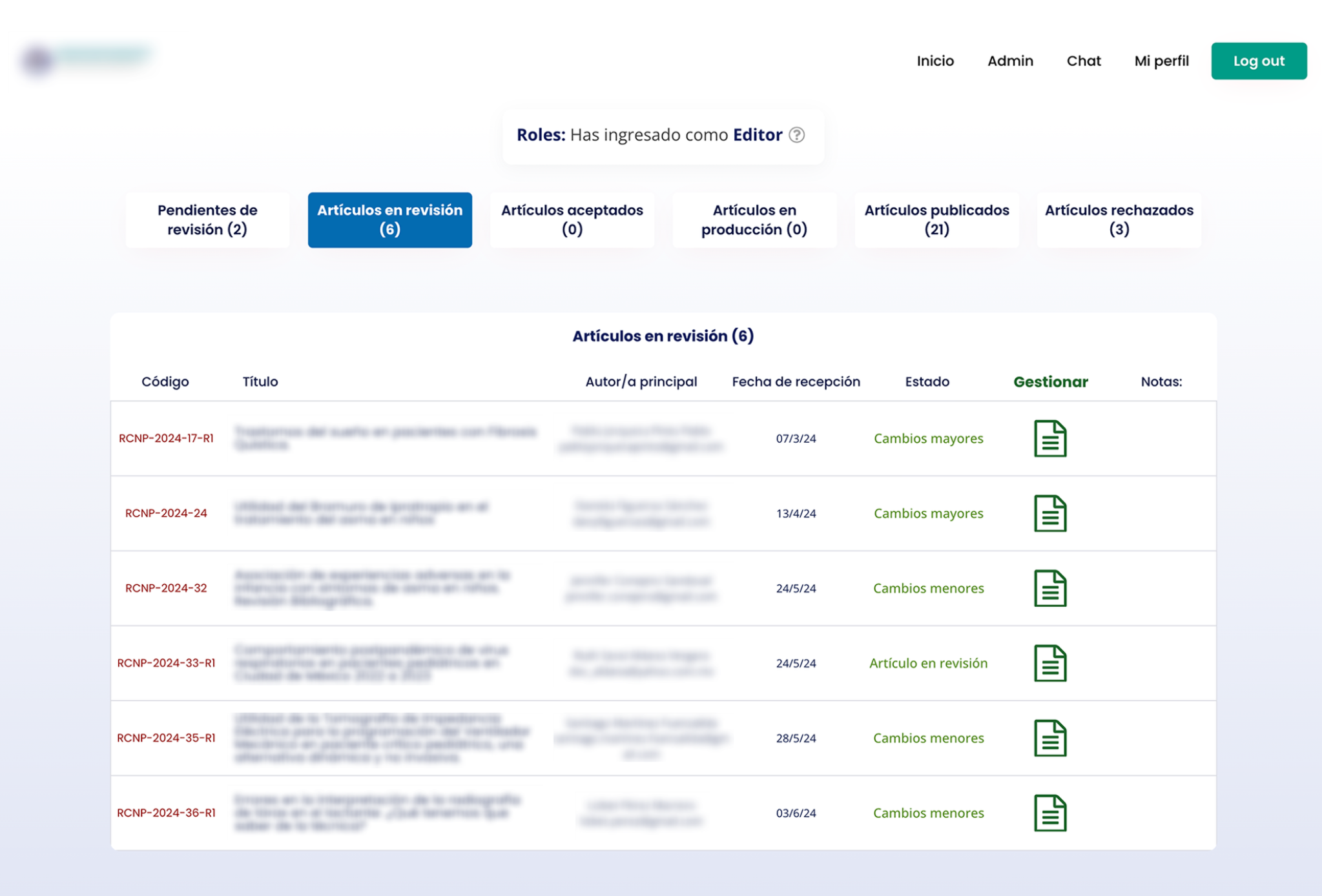
Editor’s view in the no-code MVP
The problem
Although journals shared the same broad editorial stages, their needs varied considerably. Each publication could have different participants, permissions, review models, documentation and responsibilities. The same person could also hold different roles across several journals.
Building these differences separately would have increased implementation and maintenance costs, making it harder to scale. We needed a shared structure that could accommodate each journal’s rules while keeping the experience straightforward for its users.
Editorial workflow
Approach
I carried out research with 28 participants: 10 authors, eight editors, five reviewers and five readers. I used remote interviews, task observation and usability testing. I also reviewed the existing experience and analysed competing products to identify patterns, develop hypotheses and prioritise features.
The findings challenged some of our early assumptions. Editors valued speed, ease of use and meeting indexing requirements, and they were reluctant to take on extra typesetting work. We dropped advanced tools for managing post-editorial tasks because they would have added complexity without addressing a priority.
We also explored advanced tools and AI, though several participants had reservations about using them in sensitive review and management workflows. This reinforced our decision to prioritise familiar, dependable features that fit the way people worked.
We used Lean UX cycles of design, implementation and validation, adjusting each sprint’s scope as we learnt more and balancing product priorities with technical constraints.
Design decisions
Configuring each journal within one product
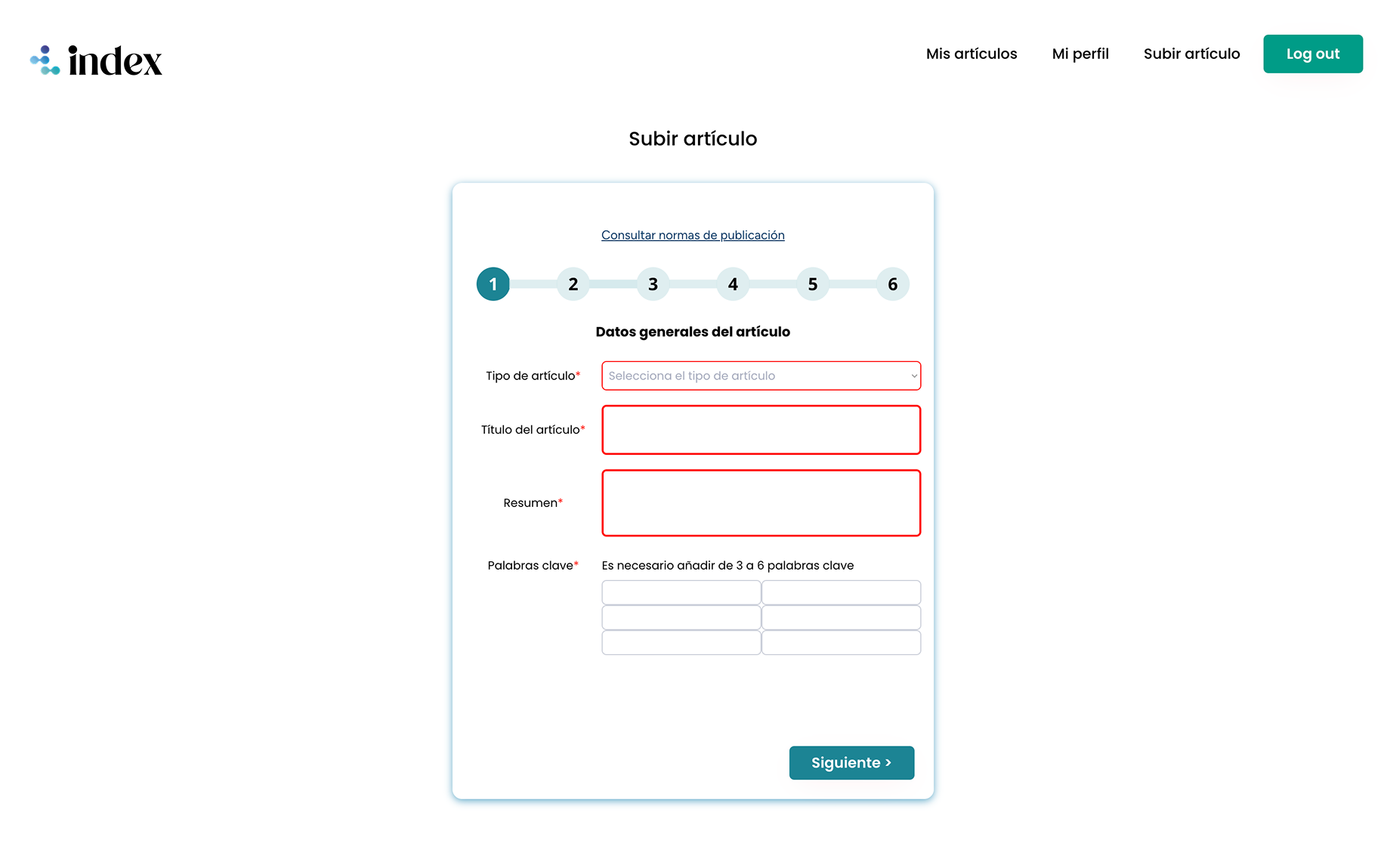
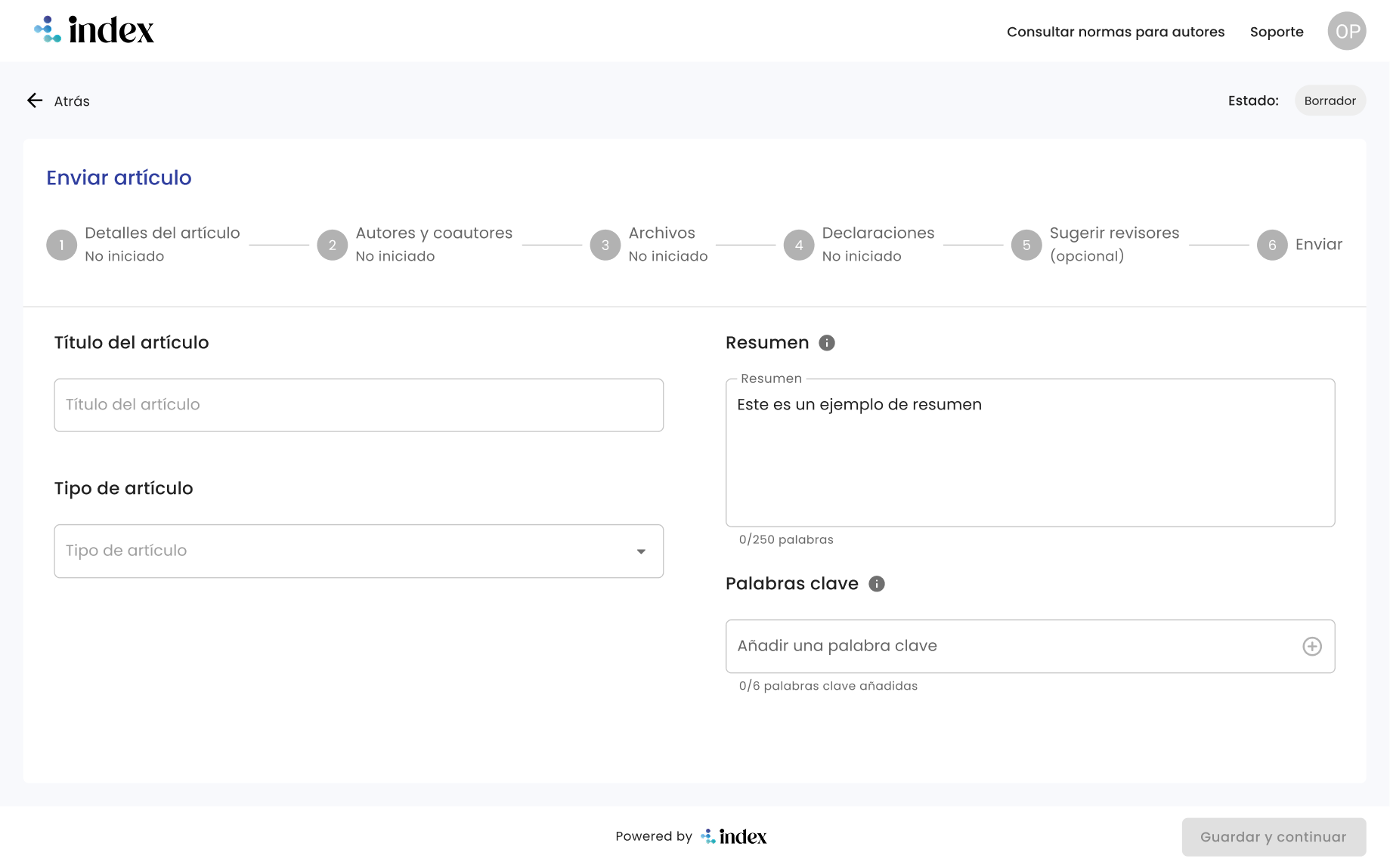
I designed a step-by-step submission flow with autosave. Each journal’s configuration determines which documents are required, the word limits and which steps are optional.
I also added defaults and templates with dynamic content so editors could tailor their communications. Shared rules and options accommodated the differences between journals, reducing the need for publication-specific features.
BeforeAfter
Step 1: Article details
One identity across roles and journals
Research showed that the same person could be an author for one journal, a reviewer for another and an editor for a third. The sign-in experience did not adequately reflect that reality.
I designed a shared identity, journal-specific workspaces, a role switcher and a common profile. This information architecture let users work across contexts and permissions from a single account. I also introduced magic links so reviewers could respond to invitations without having to reset their passwords.
Reviewer invitation and access
Keeping reviews on track without overloading reviewers
Editors needed reminders to keep reviews on schedule, while reviewers already received many notifications and could have several requests open at once.
Together with product and engineering, we defined targeted reminders based on the review stage and status. I also added each reviewer’s active workload to the assignment search and made it possible to decline an invitation with a reason or a recommendation for another reviewer.
This gave editors information they could use to manage assignments while limiting unnecessary interruptions for reviewers.
Finding and assigning reviewersSending a manuscript for review video
The solution
The result was a platform with shared editorial workflows and roles, permissions and statuses that each journal could configure to suit its needs.
To speed up implementation, I built a design system on Material UI, adapting familiar components and patterns to the product’s identity and its React environment. This kept the experience consistent without having to design every component from scratch.
Before each sprint, we reviewed the workflows and refined the proposals, and I handed over specifications for development. We validated and refined features during implementation and after launch.
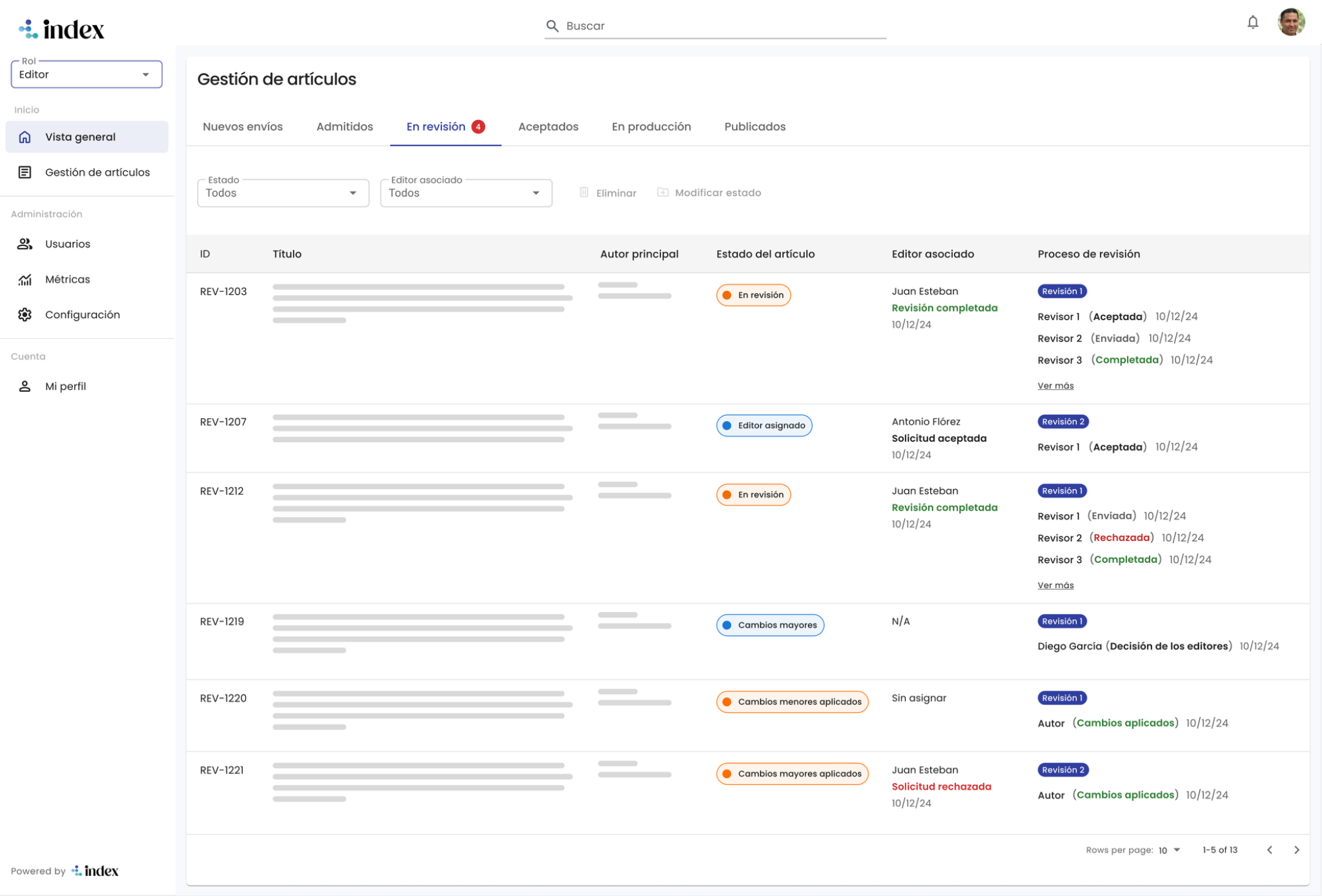
BeforeAfter
Review view before and after
Results
Index grew from 10 journals at the start of the project to more than 120 journals using it today. This growth reflects the product’s reach and commercial progress, and cannot be attributed to design alone.
Most journals use the platform’s editorial workflow. Only 3% keep certain tasks outside the system to suit their ways of working. The configurable structure accommodates different requirements, permissions and communications without a separate workflow for every publication.
Some journals using the platform
Few issues are reported in the core workflows in production, with stretches of up to two weeks without reports. The team usually responds to queries within an hour and resolves issues on the same day or within 48 hours, prioritising those that block editorial work.
The project showed me how important it is to define what needs to be shared and what can be configured before expanding a product’s capabilities. Research helped us drop ideas that offered little value to users. Working closely with product and engineering helped us prioritise what we could deliver while keeping future business needs in view.
Lessons learnt
One of my biggest lessons was that scaling a product requires judgment about which features are worth adding. In research, we explored editorial self-service tools, advanced options and AI. We found that many of those ideas did little for editors, who cared most about ease of use and speed.
That changed how we prioritised. We focused on the essential workflows and decided what to standardise and what each journal could configure. The experience strengthened my ability to question proposals, manage scope and balance user needs with the resources and goals of the business.